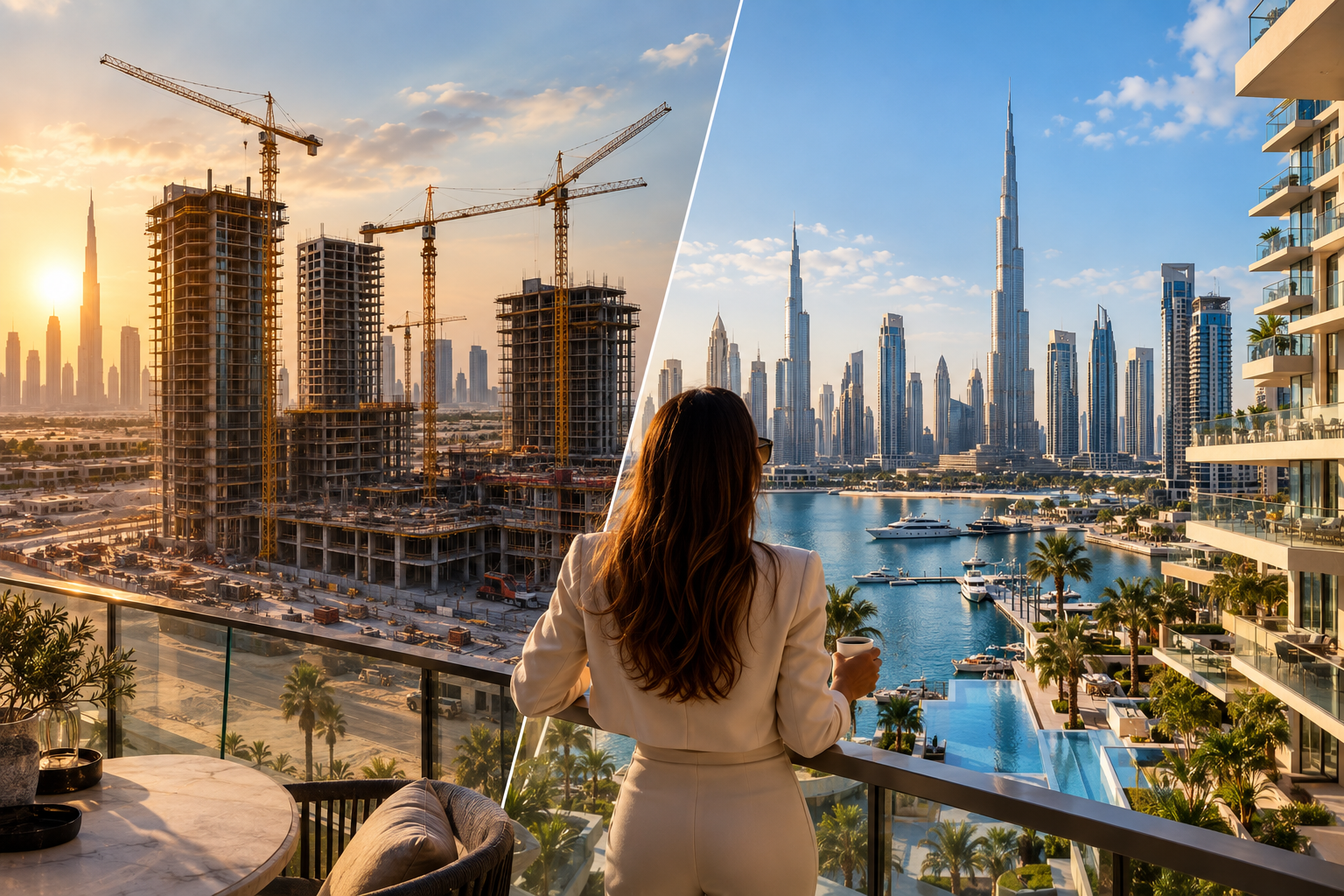


Buying property in Dubai is exciting. What happens after the purchase is where many investors either protect their returns or slowly lose momentum.
For South African buyers, the appeal of Dubai is clear. The market offers access to tax-efficient property ownership, flexible payment plans, a dollar-pegged currency, and strong rental potential. But a successful investment is not only about choosing the right apartment or villa. It is also about understanding the practical layers around that investment: how the property will be managed, whether a visa is possible, and what kind of support is available when opening bank accounts or setting up a business in the UAE.
That is where many South African investors need clarity before they commit.
Property ownership is only the beginning
A Dubai property can look excellent on paper, but ownership comes with real decisions after handover. Who will find tenants? Who will manage maintenance issues? Who will coordinate ongoing administration if you are based in South Africa and your property is in Business Bay, Dubai Marina or another fast-moving part of the city?
These questions matter because passive income only stays passive when the operational side is handled properly. Dubai Link’s site makes it clear that its support extends beyond the initial purchase and includes ongoing property management assistance, alongside banking help and regulatory guidance. That matters for overseas investors who want a smoother path from acquisition to income.
In practice, good property management is about more than collecting rent. It is about protecting the condition of the asset, reducing vacancy periods, handling tenant communication efficiently, and making sure the owner is not pulled into unnecessary stress from another country. For South Africans investing offshore, this can make the difference between a promising purchase and a genuinely sustainable investment.
Why property management deserves more attention
Many first-time buyers focus almost entirely on price, location and projected yield. Those are important, but they are only part of the picture. A well-located property can still underperform if it is badly managed.
Professional management becomes especially important when the investor does not live in Dubai full time. There may be maintenance issues, tenant changeovers, inspections, or compliance requirements that need attention on the ground. Dubai Link positions property management as part of its wider investment support offering, which suggests the company understands that investors need continuity after the sale, not just a transaction.
For South African investors, this is a major point. If your goal is to generate income in a stronger market while remaining based at home, then local support in Dubai is not a luxury. It is a core part of the investment structure.
Visas are part of the long-term picture
One of the most common questions investors ask is whether buying property in Dubai can also help with residency. According to Dubai Link’s website and FAQs, visa eligibility is a recognised part of the investment conversation, and the company specifically highlights support with UAE visa services, Emirates IDs, and Golden Visa pathways linked to qualifying investments.
This matters because many South African buyers are not just looking for returns. Some are looking for optionality. They want to preserve capital, create offshore income, and keep the door open to spending more time in the UAE in the future. Others may be thinking about relocation, family mobility, or simply having a second base in a market that offers safety, connectivity and business access.
The key point is that property should not be viewed in isolation. For some buyers, it can also form part of a broader lifestyle and residency strategy. That does not mean every purchase automatically results in a visa, but it does mean investors should understand the thresholds, structures and documentation involved before they buy. Dubai Link’s content clearly positions visa guidance as part of its overall support model for South African clients.
Bank accounts, admin and setup are often underestimated
The glamour of Dubai real estate tends to overshadow the administrative side. Yet this is often where international investors feel the most uncertainty.
Can you use your South African bank account? Do you need a UAE account? What happens if you want to receive rental income locally in Dubai? What if you plan to expand your presence and start a business there as well?
Dubai Link’s site addresses these concerns directly. The company states that it assists with local bank account setup, business establishment, Emirates ID support, and broader investment services linked to the Dubai journey. Its FAQs also specifically mention questions around whether South Africans need a Dubai bank account and whether the company can assist with business setup.
That is highly relevant for investors who want a cleaner, more organised structure around their offshore property holdings. A purchase in another country should not feel like a maze of disconnected steps. Ideally, the investor should understand how the property sits within their banking, legal and long-term planning framework before transfer and registration happen.
Business setup can matter even if you start with property
Not every property investor plans to open a company in Dubai. But some do. Others only realise the value of that option later.
A property purchase can be the first step in a wider UAE strategy. For some South Africans, that may include consulting work, trade, a new operating base, or simply creating a formal presence in the region. Dubai Link explicitly presents business setup in Dubai as part of its service offering, alongside property investment and visa assistance.
This is important because it reflects a broader truth about Dubai. Investors are often drawn in by real estate, but they stay interested because the city offers more than property. It offers commercial access, global connectivity and a relatively efficient environment for people who want to build something larger than a single asset.
For the right investor, that makes the original purchase far more strategic.
What South African investors should ask before buying
Before moving ahead, investors should ask practical questions, not just emotional ones.
They should ask who will manage the property after handover. They should ask whether the purchase could support residency goals. They should ask how rental income will be received and whether local banking arrangements will be needed. They should ask whether they may eventually want to establish a business presence in Dubai and whether the structure they choose now supports that future.
These are not secondary issues. They are central to whether the investment becomes simple and profitable or complicated and fragmented.
Dubai continues to attract South African investors for good reason. The market offers strong appeal, but smart buyers understand that success does not end at purchase. It depends on what happens next.
Property management protects the asset and the income stream. Visa guidance helps investors think beyond a single transaction. Banking and business setup support create the practical foundation that makes offshore ownership easier to manage.
That is why the most valuable conversations are often not just about what to buy, but about how the entire investment will function once you own it. Dubai Link’s website reflects that broader approach by positioning its service around end-to-end support, not only property selection. For South African investors who want clarity as well as opportunity, that is often where the real value begins.