
South African investors have a talent nobody asked for: getting very familiar with currency volatility. The rand can swing hard, sometimes for reasons that make sense, and sometimes because the world wakes up and chooses chaos. When your income, savings, and investments are mostly rand based, those swings can quietly erode your global purchasing power over time.
Most people understand diversification across asset classes. Equities, property, cash, maybe a little something “safe”. What gets less attention is currency diversification, which is often the missing piece when you are trying to protect wealth in a world priced in dollars.
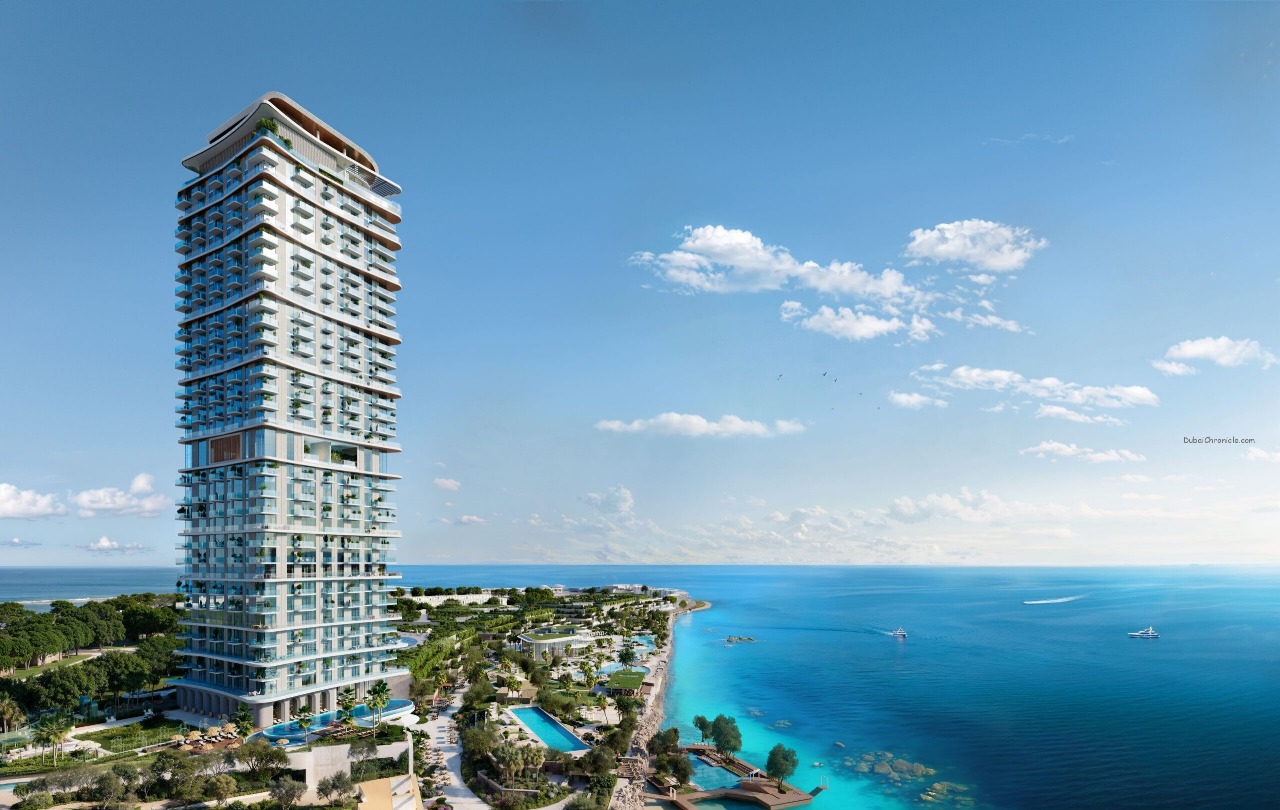
This is where Dubai property has become a serious consideration for many South Africans. It is not just about skyscrapers and sunshine. It is about owning an asset in a market linked to the US dollar, with the potential for strong rental demand and an internationally attractive tax environment. Companies like Dubai Link exist specifically to guide South Africans through that process and make the offshore step feel less like a leap into the unknown.
Why currency diversification matters more than people admit
If most of your wealth sits in one currency, then your financial future depends heavily on that currency’s performance. If the rand weakens, it can cost you in ways that are not obvious day to day. Imported goods get more expensive, overseas travel becomes pricier, and global investment opportunities feel further out of reach.
Currency diversification helps reduce this concentration risk. By holding some assets in a foreign market, especially one aligned with the US dollar, you are not betting against South Africa. You are simply reducing dependency on one currency doing all the heavy lifting.
Dubai is a compelling option because it can combine three things that matter to investors: currency exposure, potential income, and long term demand drivers.
Dubai’s dollar peg advantage for South Africans
The UAE dirham is pegged to the US dollar, which creates stability relative to major global pricing. For a South African investor, that stability can matter as much as the property itself.
There are two key effects here.
First, returns in dirham tend to be less vulnerable to the kind of swings the rand can experience. That can make your offshore portion feel steadier, especially when local headlines get noisy.
Second, if the rand weakens over your holding period, the rand value of your Dubai asset can increase even if the property price in Dubai stays flat. In simple terms, you are holding something priced in a stronger reference currency, which can preserve international purchasing power over time.
This is why Dubai property is often viewed not just as real estate, but as a strategic currency position with a tangible asset behind it.
Rental income that supports your offshore strategy
Dubai is widely recognised for competitive rental yields compared to many mature global property markets. Cities like London or New York can be attractive, but they often come with heavier taxes, higher running costs, and lower net yields. Dubai’s rental market is supported by a large expatriate population, strong tourism flows, and continuous business growth.
If you earn rental income in a currency pegged to the US dollar, you start building an income stream that is not rand dependent. Over time, that can reduce pressure on your South African based cash flow and give you more flexibility, whether you want to reinvest offshore or simply preserve value.
This is also where the right guidance matters. Rental yield is never just a city wide average. It depends on location, building quality, unit type, fees, and demand. Dubai Link can help investors understand what is realistic for a specific property, not just what looks good on a marketing brochure.
Off plan property and payment flexibility
Many investors explore off plan property in Dubai because structured payment plans can make entry easier. For South Africans who want to move capital offshore gradually, this can be a practical route.
Off-plan opportunities can offer staged payments, access to newer developments, and potential appreciation before completion if the project is in a high demand area. It is not a guaranteed win, and it should not be treated like a scratch card, but it can be a sensible strategy when chosen carefully.
Working with a partner like Dubai Link helps here because off plan success depends on the details. Developer credibility, handover timelines, resale conditions, and the surrounding area’s demand drivers all matter. The right project can support a long term plan. The wrong one can become an expensive lesson.
Long term wealth preservation and international positioning
International property is often used as a wealth preservation tool, especially by investors thinking in decades rather than months. Dubai has developed strong infrastructure, well established ownership frameworks for foreign investors, and a reputation as a global hub for business and tourism.
Owning property in a globally connected city can reduce reliance on domestic cycles and provide geographic diversification within a broader portfolio. For South Africans with children, international goals, or future mobility plans, it can also add strategic flexibility.
A practical illustration in rand terms
Let’s make this real.
Consider a Dubai property valued at AED 1,000,000, which is roughly R4,403,500 using an exchange rate of about 1 AED = R4.40 on 19 February 2026.
If the rand weakens over time, the rand equivalent value of that property can rise even if the Dubai price stays unchanged in dirham. Add rental income earned in dirham, and you are building both asset exposure and an income stream aligned with a dollar pegged currency.
That does not mean you ignore risk. It means you structure risk more intelligently.
Risk considerations you should actually take seriously
Dubai property can be a strong strategic move, but it still requires proper planning. South African investors should think about exchange control rules when moving funds offshore, market cycles within Dubai, liquidity compared to listed investments, and the need for professional tax advice on cross border implications.
A good offshore strategy is not about hype. It is about clarity, numbers, and a sensible time horizon.
Take the next step with Dubai Link
If you are considering Dubai property as part of a smarter offshore strategy, Dubai Link can help you evaluate options, understand realistic costs and returns, and choose an investment aligned to your goals.
Book a consultation with Dubai Link to explore Dubai property opportunities that make sense for South African investors, and start building an international portfolio that is less vulnerable to rand volatility.